
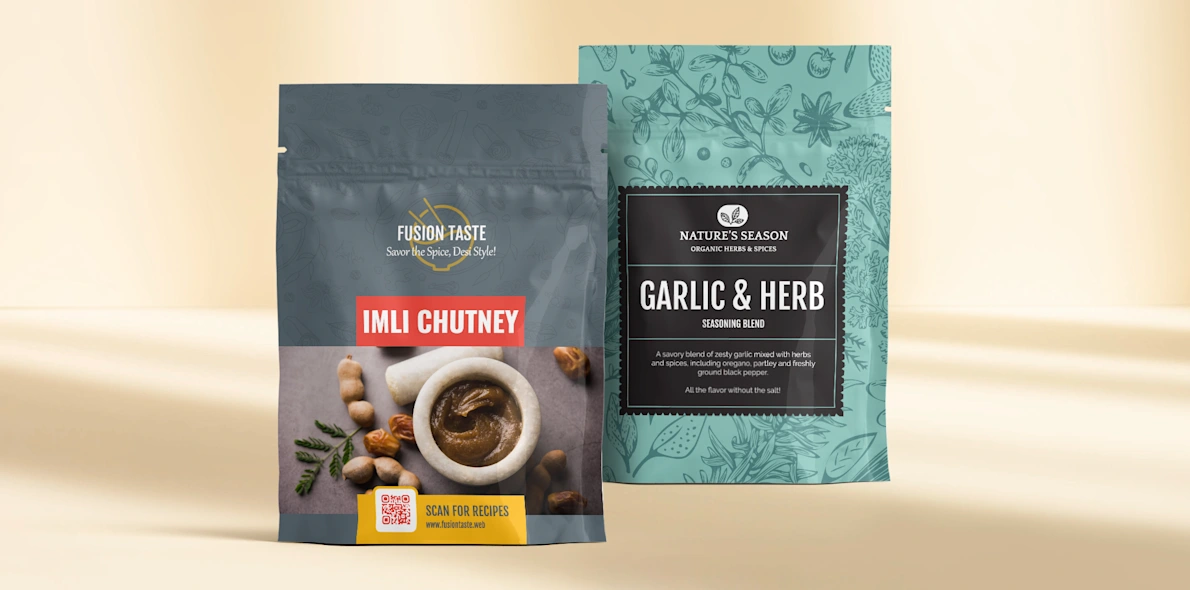
I.Custom Stand Up Pouch Packaging
Custom pouch packaging has emerged as an innovative and effective solution that can significantly enhance a product’s appeal, protect its contents, and communicate the brand’s values. This guide aims to provide a comprehensive overview of custom pouch packaging, covering all aspects from its importance to the practical considerations involved.
A. Importance of Custom Pouch Packaging for Brand Success
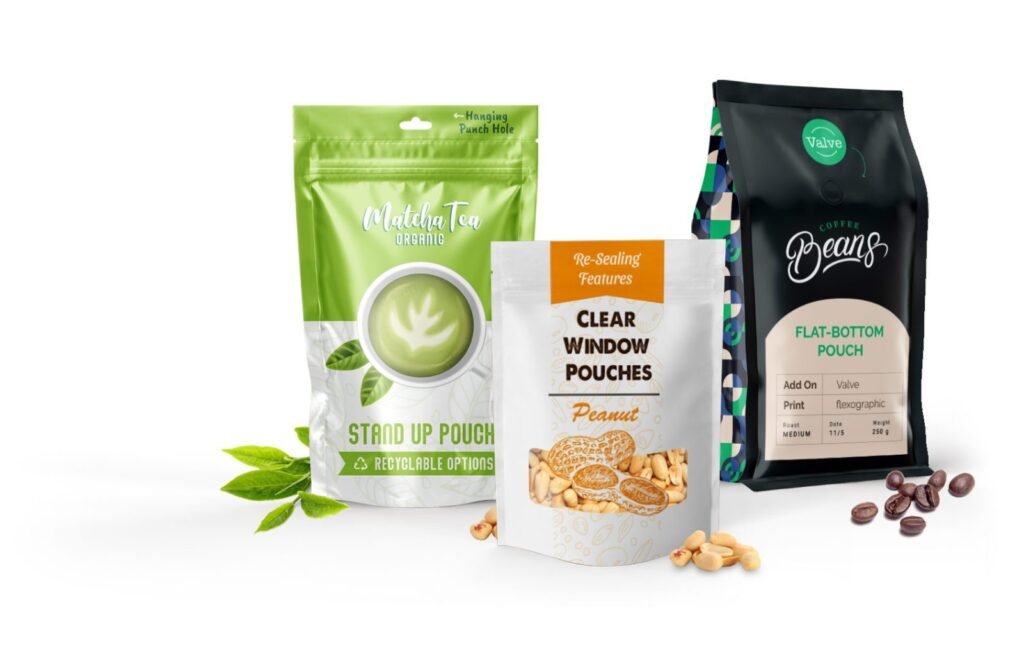
The packaging of a product is often the first point of contact between the brand and the consumer. Custom pouch packaging offers several advantages that can make a brand stand out on the shelves. It provides a unique and eye-catching presentation, helping the product to capture the attention of potential buyers. Moreover, it can convey the brand’s quality, image, and story, creating a memorable impression and fostering brand loyalty.
Custom pouches also offer functionality and convenience. They are lightweight, easy to handle, and often have resealable features, making them user-friendly. This can enhance the consumer experience and increase the likelihood of repeat purchases.
B. Overview of What Will Be Covered in the Guide
In the following sections, we will delve deeper into the world of custom pouch packaging. We will explore the different types of materials used, design considerations, functionality, printing techniques, cost factors, sourcing and manufacturing processes, regulatory compliance, and showcase successful case studies. By the end of this guide, you will have a thorough understanding of custom pouch packaging and be equipped to make informed decisions for your brand.
II. Understanding Custom Pouch Packaging
A. Different Types of Pouch Materials
Custom pouches can be made from a variety of materials, each with its own characteristics and suitability for different products. Common materials include polyethylene (PE), polypropylene (PP), polyester (PET), and laminates of these materials.
PE pouches are flexible and offer good moisture barrier properties, making them suitable for products like snacks and dry foods. PP pouches are more resistant to heat and chemicals, making them ideal for products that require sterilization or contain aggressive substances. PET pouches provide excellent clarity and stiffness, often used for products where visibility of the contents is important.
B. Advantages and Limitations of Pouch Packaging
The advantages of pouch packaging are numerous. They offer a high degree of space efficiency, as they can be designed to fit snugly around the product, reducing packaging waste. Pouches are also lightweight, which lowers transportation costs and has a positive impact on the environment.
In terms of limitations, pouch packaging may not be suitable for products that require high levels of protection from physical damage or extreme conditions. Additionally, some pouches may have limitations in terms of barrier properties for certain gases or substances, depending on the material chosen.
III. Design Considerations
A. Brand Identity and Logo Placement
The design of the custom pouch should align with the brand’s identity and messaging. The logo should be prominently displayed to ensure brand recognition. It should be placed in a strategic location that catches the eye and is easily identifiable. The size, color, and style of the logo should complement the overall design of the pouch.
B. Color Schemes and Visual Appeal
The choice of color schemes is crucial as it can evoke specific emotions and associations in the minds of consumers. Bright and bold colors can attract attention, while more subdued tones can convey a sense of elegance or sophistication. The colors should be consistent with the brand’s personality and the target audience.
C. Graphics and Messaging
Graphics on the pouch should be visually appealing and communicate the key benefits and features of the product. Clear and concise messaging is essential to convey the product’s value proposition and any necessary instructions or warnings. The use of high-quality images and illustrations can enhance the visual impact.
IV. Functionality and Protection
A. Sealing Options for Freshness and Safety
The sealing of the pouch is critical to maintaining the freshness and safety of the contents. Options such as heat sealing, zipper seals, or adhesive seals can be chosen based on the product’s requirements. A proper seal ensures that the product remains uncontaminated and retains its quality over time.
B. Resistance to Moisture, Light, and Other Elements
Depending on the nature of the product, the pouch needs to have adequate resistance to moisture, light, and other environmental factors that could affect its integrity. Special coatings or laminates can be applied to enhance these properties and prolong the shelf life of the product.
C. Pouch Size and Shape Based on Product Requirements
The size and shape of the pouch should be tailored to the dimensions and shape of the product. It should provide a snug fit to prevent movement within the packaging and minimize wasted space. Unique shapes can also add to the visual appeal and differentiability of the product on the shelf.
V. Printing Techniques
A. Digital vs. Flexographic Printing
Digital printing offers high-resolution images and the ability to print small quantities with variable data. It is suitable for complex designs and short runs. Flexographic printing, on the other hand, is more cost-effective for large production volumes and offers good print quality for simple to moderately complex designs.
B. Special Effects and Finishes
Special effects such as matte or gloss finishes, embossing, or foil stamping can be used to add a touch of luxury and enhance the visual appeal of the pouch. These effects can make the packaging stand out and create a more memorable impression on consumers.
VI. Cost Considerations
A. Factors Affecting the Cost of Custom Pouches
The cost of custom pouches is influenced by several factors, including the type of material used, the size and complexity of the design, the printing technique, the quantity ordered, and any additional features such as resealable zippers or special coatings.
B. Budgeting Tips and Strategies
To manage costs effectively, it is essential to carefully assess your packaging requirements and balance quality with affordability. Negotiating with suppliers, optimizing the design for efficient production, and considering bulk orders can all help to reduce costs without compromising on the desired packaging effect.
VII. Sourcing and Manufacturing
A. Choosing the Right Supplier or Manufacturer
When choosing a supplier or manufacturer for your custom pouches, it is crucial to consider their reputation, experience, production capabilities, and quality control processes. Request samples and references to ensure that they can meet your expectations in terms of quality and delivery.
B. Quality Control Measures
Establishing strict quality control measures throughout the manufacturing process is essential to ensure that the final product meets your specifications. This includes inspecting the materials, monitoring the printing quality, and conducting tests for sealing strength and barrier properties.
VIII. Regulatory and Environmental Compliance
A. Legal Requirements for Packaging
Packaging must comply with various legal regulations related to product labeling, safety standards, and environmental protection. It is important to stay updated on these regulations to avoid any legal issues and ensure consumer safety.
B. Sustainable Packaging Options
In an era of increasing environmental consciousness, brands are increasingly opting for sustainable packaging solutions. This may include using recyclable materials, reducing packaging waste, or choosing pouches that are biodegradable or compostable.
IX. Case Studies
A. Examples of Successful Custom Pouch Packaging for Brands
Let’s take a look at some brands that have achieved success with custom pouch packaging. Company X’s snack pouches, with their vibrant colors and engaging graphics, not only caught the attention of consumers but also increased sales by 30%. Another brand, Company Y, used a unique resealable pouch for their coffee, which improved product freshness and customer satisfaction.
B. Lessons Learned from These Cases
The key lessons from these case studies include the importance of understanding the target audience, creating a distinctive design, and ensuring that the packaging functionality aligns with the product’s needs. Innovation and a focus on sustainability can also give brands a competitive edge.
X. Conclusion
A. Recap of Key Points
In conclusion, custom pouch packaging offers numerous opportunities for brands to enhance their image, protect their products, and connect with consumers. Understanding the different materials, design considerations, functionality, printing techniques, cost factors, and regulatory requirements is essential for making informed packaging decisions.
B. Encouragement for Brands to Invest in Custom Pouch Packaging
Investing in custom pouch packaging can be a game-changer for your brand. It can differentiate your products on the shelves, increase brand awareness, and drive sales. By carefully considering all the aspects discussed in this guide, you can create packaging that not only looks great but also delivers on functionality and sustainability.