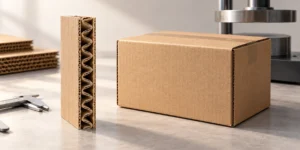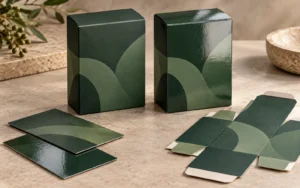
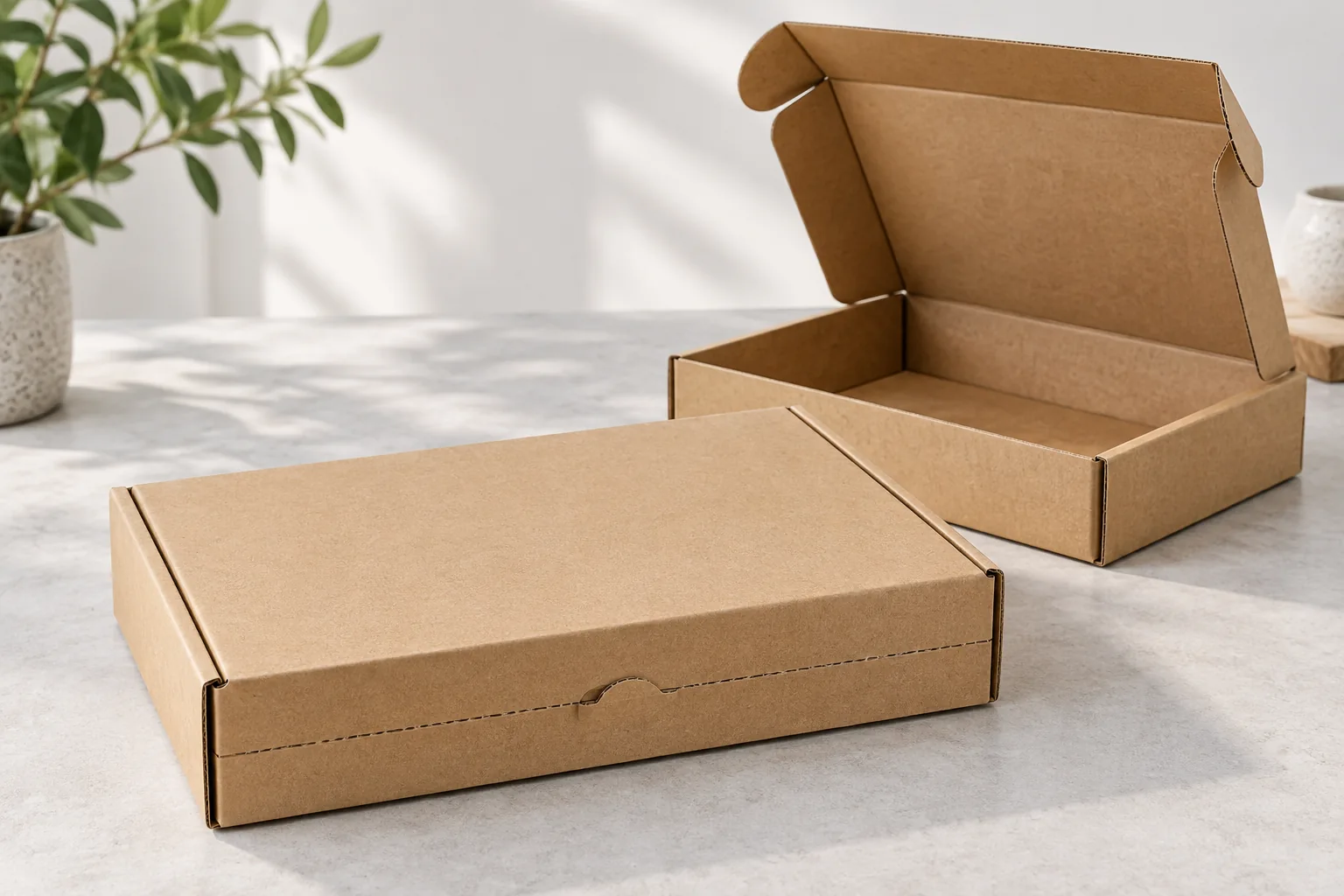
An easy-open mailer needs to stay closed through delivery yet open predictably for the recipient. Specify the packed product, route, board, closure, tear-strip position and any return-seal requirement together. Approve a finished sample after realistic packing and distribution checks; a perforation shown on a dieline alone cannot establish that the box will resist accidental opening or tear cleanly in use.
Key takeaways
- Choose the opening feature and the outbound closure as one system.
- Put the tear path, start tab, fold lines and adhesive zones on the supplier-approved dieline.
- Keep important print, labels and functional coatings clear of the opening path.
- Test packed samples after the distribution conditions relevant to your route.
- Check both premature opening and the recipient’s actual opening experience.
- If returns matter, specify a separate, usable second closure rather than assuming the opened box can reseal.
Choose the opening system around the packed order
A tear strip is a designed path that lets a recipient remove or break a portion of the mailer to reach the lid. It may be created by perforations or another converted feature. It is not the same thing as an adhesive strip that closes the package. Some designs use both: a closure for the outbound journey and a tear feature for opening. A Smurfit Kappa e-commerce case study describes a pack combining double-sided closure tape with a perforated tear-off strip, with the strip tested on its selected double-wall board. That is one supplier’s project, not a universal construction or a Packaza test result.
Start with the item inside. A heavy or tightly fitted product may load the front panel differently from a light apparel item. Void fill, inserts and product orientation can change where the recipient grips the box. Define whether the package should open without tools, whether the lid should remain attached and whether the recipient needs to reuse the same box. If a standard tuck or taped mailer meets the need, an added tear strip may introduce unnecessary converting and approval work.
Our custom mailer box specification checklist helps establish the basic dimensions, material and packing requirements before the opening feature is selected. Treat “easy-open” as a user task with a testable outcome, not as a promise that every recipient will exert the same force.
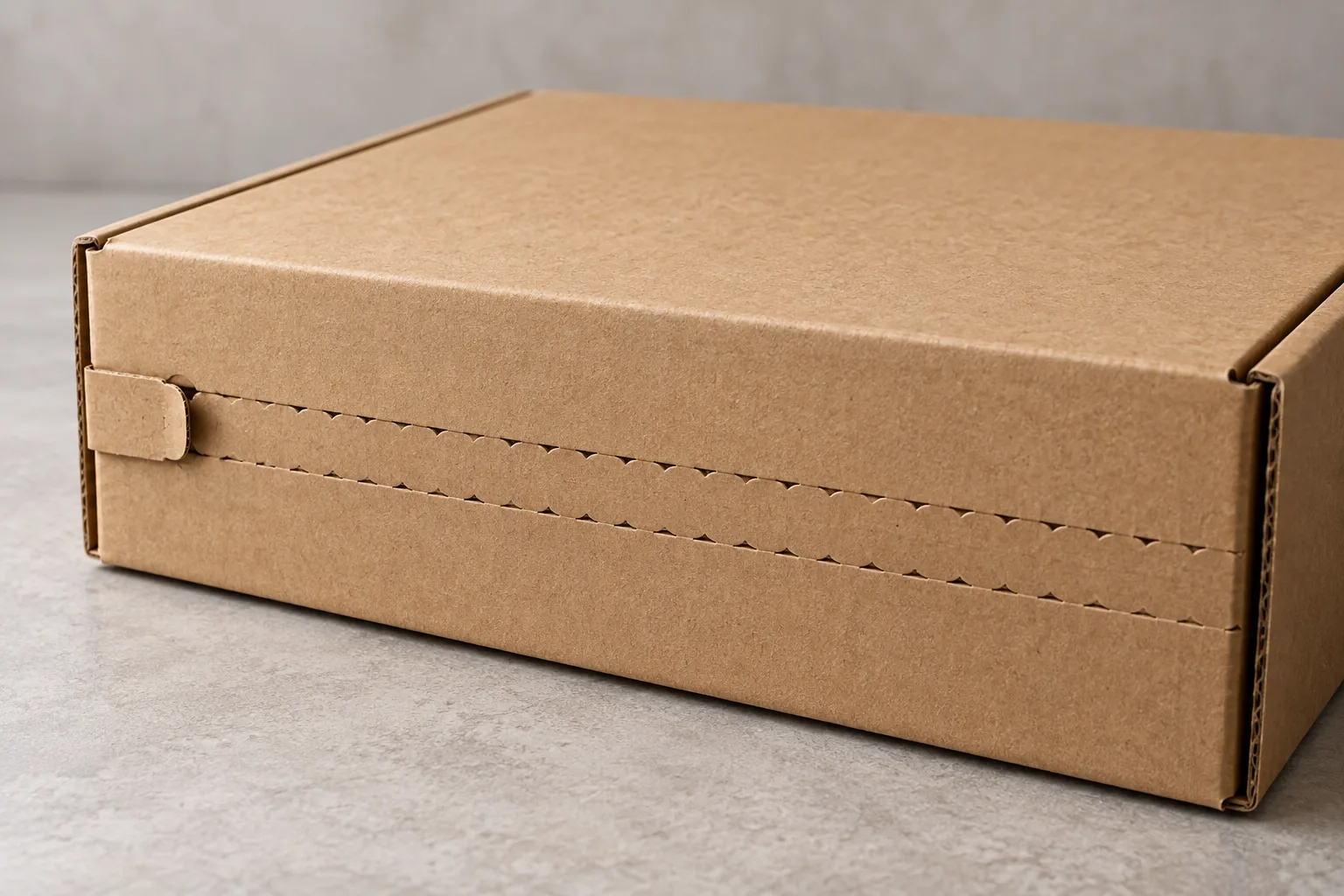
Generated concept image; the perforation is not a dimensioned production drawing or tested Packaza feature.
Show the tear path on the real dieline
Request the converter’s version-controlled packaging dieline and mark the intended start tab, tear direction, lid hinge, fold lines, closure adhesive and any return seal. The ECMA/FFI technical artwork guide treats perforations and half-cuts as manufacturer-supplied dieline information rather than printable artwork. Agree the structure with the supplier before finalizing graphics.
Ask what the recipient should see and grip when shipping labels and tape are applied. A beautiful starting tab is useless if a label bridges it or a closure tape covers it. Keep barcodes, required information and critical design elements away from a removable panel unless the supplier confirms the final placement. Print and finish can also change the way a torn edge looks; approve the finished, printed sample, not only an undecorated white mock-up.
Do not copy a suggested perforation pitch, cut-to-bridge ratio or pull-force number from a different board or box. Ask the converter to propose the geometry for the actual flute, board, direction and production process, then approve the behavior on representative samples. ECT and BCT describe different corrugated strength measures; neither number by itself proves a tear strip will open neatly or stay intact through delivery.
Test both the journey and the first opening
The key trade-off is simple: the strip must not release during normal distribution, but it must be findable and usable at delivery. Pack several boxes with the real product, insert, fill and closure method. Review the sample before shipment simulation, after the agreed transport sequence and when opened by people unfamiliar with the design. Record whether the closure remains secure, the strip starts where intended, the tear follows its path, the lid opens without tools if that is the target, and loose fibers or torn panels interfere with the item.
Select the distribution test plan for the actual channel. ISTA’s 3L procedure is an e-commerce packaged-product test option; whether it is suitable for this order, and what additional checks are needed, should be agreed with the supplier and test provider. A passed transport sequence is not an opening-usability result. Conversely, an easy desk opening is not evidence that the same packed box survives shipping.
Use an approval sheet with sample count, conditioning, packing method, opening instructions, observations and pass/fail criteria. Include more than one finished sample because a single clean tear may hide variation. If the board, flute, panel geometry, adhesive, print finish or filling method changes, decide whether to repeat the checks. Keep the approved sample and dieline revision linked to the purchase order.
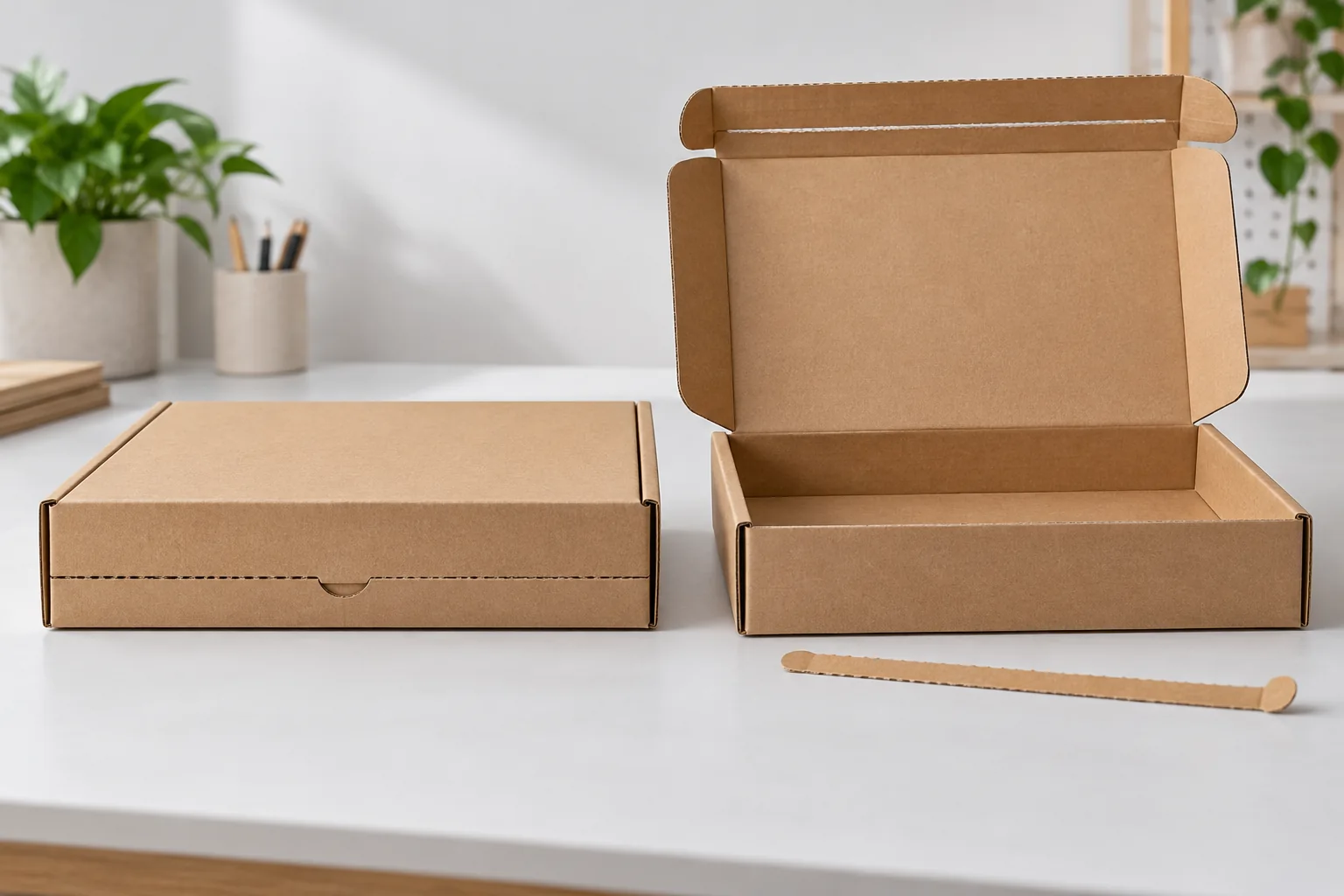
Generated concept comparison; it does not represent a verified shipping or opening test.
Specify returns as a separate use case
If the customer may return the product in the same mailer, decide what must remain after the tear strip is removed. Can the lid close again? Is a second adhesive strip protected until return use? Is there a place for a return label? Can the returned product be safely contained without improvised tape? Mondi describes a corrugated design with an opening strip between two closure strips, leaving the second strip for a return journey. It illustrates a possible architecture, not a claim that every mailer or Packaza order includes one.
Include an actual return-pack trial with the product, any protective insert and the user’s likely instructions. An opened package may need additional protection or a different return box; do not imply that a reseal feature alone makes it suitable for every reverse-logistics route.
Choose the evidence for your decision
| Purchase situation | Main risk | Approval evidence to request |
|---|---|---|
| Basic outbound mailer with no return use | Accidental opening or frustrating first opening | Packed transport check and first-opening trial on finished samples |
| Printed mailer with shipping label near the strip | Tab obscured or critical artwork removed | Final artwork and labelled-pack sample |
| Heavy or snug-fitting product | Product loads the weakened panel | Representative fill, transport and opening trial |
| Mailer intended for returns | No usable closure after the strip is removed | Outbound opening plus packed return-closure trial |
| Revised board, flute, closure or dieline | Previous approval no longer applies | Revision comparison and risk-based repeat testing |
The exact tests and limits belong in the order specification. There is no responsible one-size-fits-all tear strength, perforation geometry or shipping pass claim for every mailer.
Send this RFQ and sample-approval checklist
- Product dimensions, packed mass, fragility, inserts, fill and orientation.
- Order quantity, target mailer dimensions, board or flute preference and print finish.
- Outbound route, storage conditions and any agreed distribution-test procedure.
- Desired opening experience: tool-free or not, tab location, tear direction and whether the lid stays attached.
- Closure method and the position of labels, tape, graphics and barcodes.
- Whether the box must be reused for returns, including the second closure and return-label area.
- Finished sample count, opening and transit checks, acceptance criteria and approval owner.
- Dieline revision, change-control process and the evidence required before production.
Share this brief with Packaza’s corrugated box team to discuss an appropriate mailer construction and sample plan. Any opening or shipping-performance requirement should be confirmed for the proposed finished box and packed product before it is treated as approved.
Frequently asked questions
Is a perforated tear strip the same as a self-seal adhesive strip?
No. The tear strip provides an opening path; adhesive tape or another closure holds the box shut. A design can use both, but each function needs its own approval.
Will a tear strip make a mailer tamper-evident?
An opened strip may leave visible damage, but that does not establish a tamper-evident security claim. Define the threat and required evidence separately if security is part of the brief.
What perforation size should I specify?
There is no universal dimension. Let the converter propose a pattern for the actual board and geometry, then test finished samples for both shipping retention and intended opening.
Can I put artwork or a barcode across the tear path?
Avoid placing critical information on a section that may be removed or distorted. Review a labelled, printed sample so the tab and any required information remain usable.
Does a passing shipping test prove the box is easy to open?
No. It evaluates the packed package against the selected distribution procedure. Run a separate first-opening check with people who have not been coached through the feature.
Can customers return the product in the same box?
Only if the opened structure still protects the product and has a practical closure for the return trip. Specify and test that second use explicitly.
Should we test an unprinted prototype or a finished sample?
Use prototypes for development, then approve production-representative board, printing, finish and closure. The final combination can behave differently from a plain mock-up.
When must an approved tear-strip design be rechecked?
Review it when the board, flute, die, adhesive, finish, product load or packing and delivery method changes. Repeat the checks affected by the change.