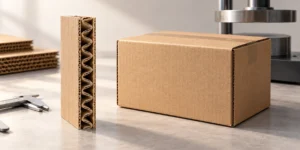

ISTA 3A is a general simulation test for an individually packaged product shipped through a parcel delivery system, covering packages of 70 kg (150 lb) or less, and it tests the finished package, not the loose box.
- Confirm your shipment fits 3A: a single package sent by parcel carrier, and which package type it is (standard, small, flat or elongated).
- Document the finished package: box style, board basis weights, insert, void fill, product weight and orientation, plus your own pass/fail criteria.
- Send a written test request to an ISTA-experienced lab, then read the report against your criteria and retest after any packaging change.
This guide is for buyers who have been told to “prove the box survives shipping”. The authority is the ISTA 3A procedure itself; the overview PDF we reviewed is dated March 2018, so check the current version of the procedure on the ISTA site before you instruct a lab. Other facts come from four lab and supplier pages, listed under Sources.
What ISTA 3A Is and Is Not
ISTA’s overview describes 3A as a general simulation test for individual packaged-products shipped through a parcel delivery system, by air or ground. Safe Load Testing describes the same scope, naming carriers such as UPS, DHL and FedEx. Four points from ISTA matter to buyers:
- The package and product are considered together, not separately.
- Test levels are based on general data and may not represent any specific distribution system.
- Some transit conditions, such as moisture, pressure or unusual handling, may not be covered.
- Series 3 tests do not necessarily comply with carrier packaging regulations.
LuxoPack makes the practical point plainly: a package that passes has survived that specific simulated journey; it has not been proven to survive a different one. Treat a pass as evidence for a defined scenario, not a guarantee for every carrier, route or handling event. Ticforall adds that if you need certification under a specific carrier’s rules, you follow that carrier’s program, and LuxoPack says to ask whether a named carrier publishes its own procedure.
Which Package Type Are You?
The test sequence depends on package type, so classify before you request a test. ISTA defines them as follows (dimensions are ISTA’s):
TypeISTA definitionSmallVolume under 13,000 cm³ (800 in³), longest dimension 350 mm (14 in) or less, and weight 4.5 kg (10 lb) or lessElongatedLongest dimension 900 mm (36 in) or more, and both other dimensions each 20 percent or less of the longest
| Standard | Anything that is not small, flat or elongated, for example a traditional fiberboard carton | ||
| Flat | Shortest dimension 200 mm (8 in) or less, next dimension at least four times the shortest, and volume 13,000 cm³ (800 in³) or more | ||
ISTA notes that a package that is both flat and elongated should be tested as elongated. Ask the lab to confirm the classification in writing.
What Happens in the Test
The table summarizes the standard, elongated and flat sequence from ISTA’s overview. ProPack Testing and Ticforall list the same sequence. It is not the full procedure; drop heights and other levels are set in the procedure, so ask the lab for the values it applies.
StepWhat ISTA listsStatusAtmospheric preconditioningAmbient temperature and humidityRequiredAtmospheric conditioningControlled temperature and humidity, chosen from a chartOptionalDrops, first set9 drops, height varies with packaged-product weightRequiredVibration under low pressureSimulated altitude; checks seal or closure holding and contents retentionOptionalDrops, second set8 drops, height varies with weight; includes a drop on a hazardRequiredExtra impactsRotational edge drop and full rotational flat drop for flat and elongated; concentrated impact for flat only; bridge impact for elongated onlyRequired for those typesLeak test8 hoursLiquids only
| Random vibration | With and without top load; vibration levels are set in the procedure, so ask the lab for the values it applies | Required | |

The small-package sequence differs: 9 drops not in a bag, vibration, then 7 drops in a bag, according to ISTA, with consolidation-bag setups described in the procedure. The optional low-pressure test matters if your box contains sealed or leak-prone contents or travels by air (Ticforall). The “required” labels refer to ISTA certification, so confirm with the lab whether you want a certified run or an engineering evaluation.
3A Compared with Other Tests
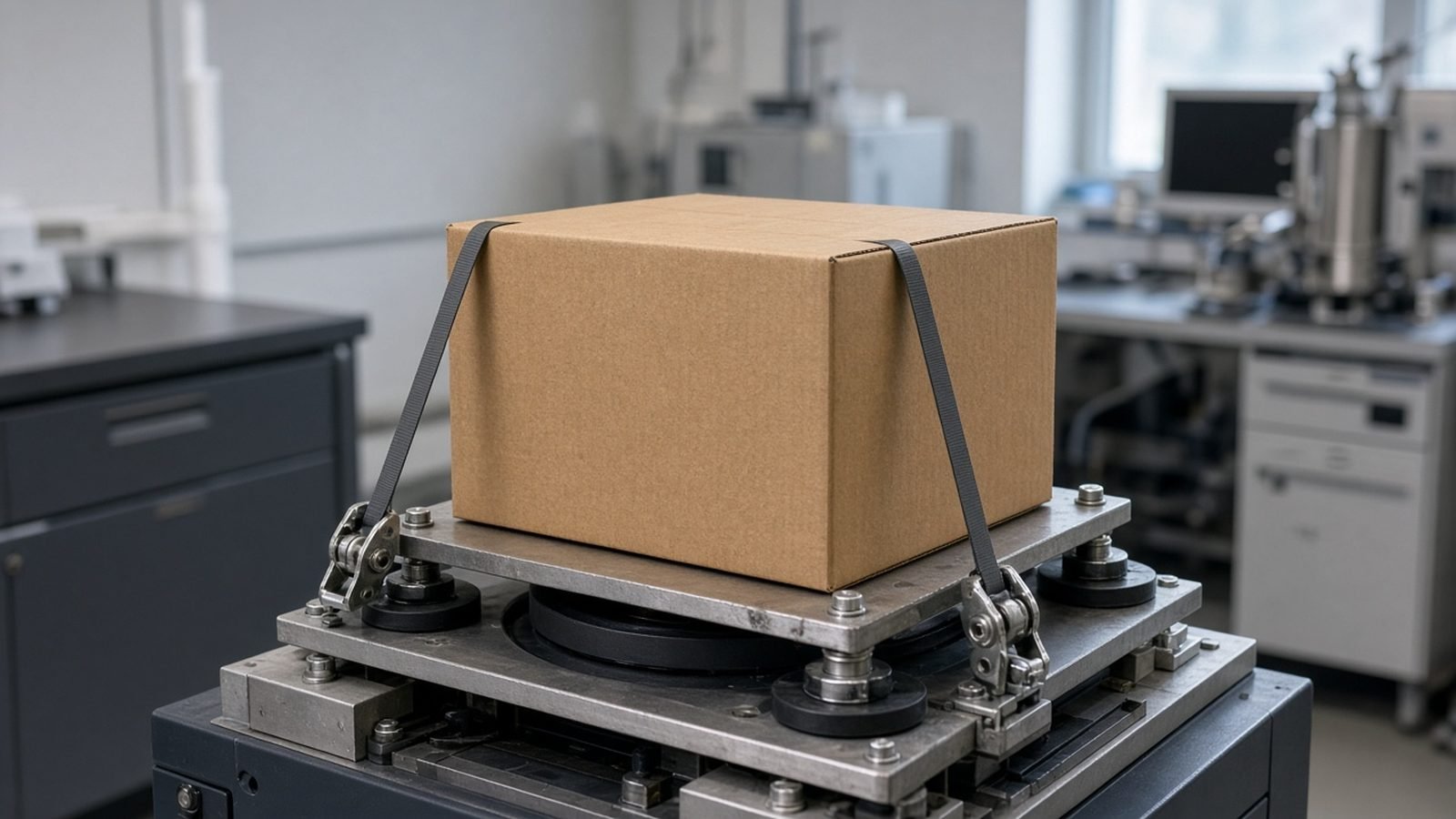
Use the right test for the real shipping method. LuxoPack describes 1-series tests as non-simulation integrity checks and 3-series tests as general simulations built around a real transport mode, with 6-series tests developed with a specific carrier or retailer. It suggests 1A only as an early-stage integrity check before a full 3A schedule. Ticforall says 3B is for goods that travel by less-than-truckload rather than as parcels. Neither is a reason to change course without lab advice; the point is that 3A fits individually shipped parcels and is the wrong evidence for pallet shipments. For pallets, see our corrugated box palletization guide.
3A also does not replace board and box strength specifications. ISTA tests the whole packaged product, whereas ECT and BCT describe the corrugated box. Our guide to ECT vs. BCT explains how to specify the box itself.
What to Document Before Testing
ISTA says to thoroughly document configuration, materials and construction of the tested product and package, because significant performance variations can come from seemingly insignificant differences. It strongly recommends photos. When the outer package is corrugated, it strongly recommends determining and documenting the basis weights of the papers used, and says that if nominal basis weights change, even when the board is rated for the same performance, a retest is appropriate.
Box style and dimensionsDefines the package and its typeBoard basis weightsISTA: a change is a reason to retestInsert and divider designPart of the tested packageVoid fill type and amountPart of the tested packageProduct weight and orientationWeight sets drop heights in the procedure; orientation in transit affects loadingClosure methodSeals and tapes are part of the packagePhotos of the as-tested packageISTA strongly recommends photo documentation
| Record | Why | ||
|---|---|---|---|
For the inside of the package, see our guides to void fill packaging and box dividers. If the package is a mailer, the custom mailer box specification checklist covers what to put on the specification.
Define Pass and Fail Before You Test
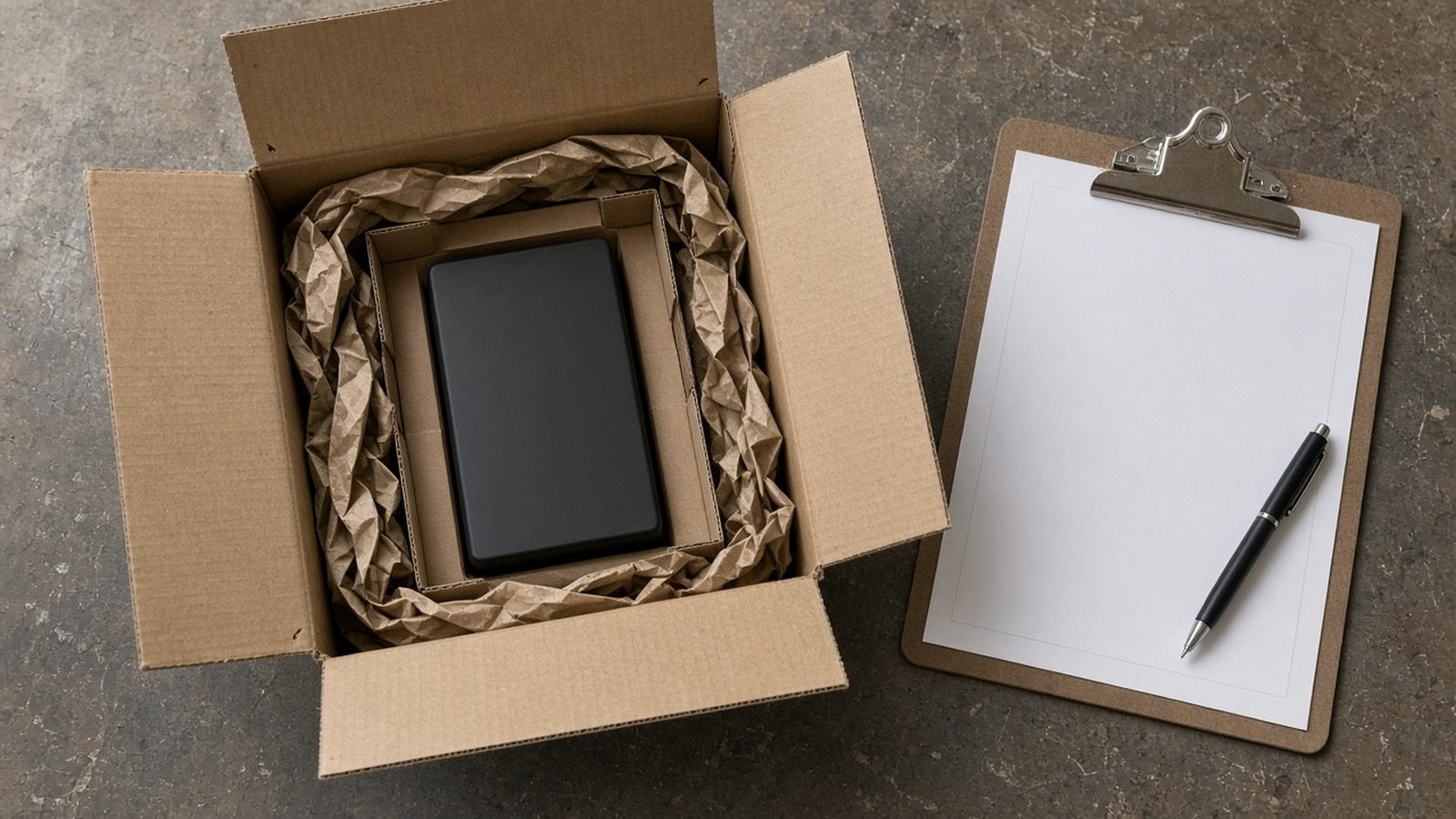
ISTA says the shipper determines, before testing, what constitutes product damage, what damage tolerance is allowable (if any), how product condition will be checked afterward, and the acceptable package condition at the end. A lab runs the sequence; you decide what a pass means. Write these criteria down and give them to the lab with the request.
What to Ask a Test Lab For
Request itemDetailProcedure and versionISTA 3A, with the version the lab will usePackage typeStandard, small, flat or elongated, confirmed by the labSample quantityISTA requires one sample, recommends two or more for fragile and liquid products, and encourages five or more new samples to improve statistical significanceSample conditionActual untested package and product, or as identical as possible; send them adequately over-packed, or have the lab repack them (ISTA)Pass criteriaYour written damage and package-condition criteriaReport contentsSuggested: procedure and version, package type, steps run, any deviations, observations per step, result against your criteria, photos
| Optional steps | Whether to include controlled conditioning, low-pressure vibration and, for liquids, the leak test | ||
| Documentation | Photos before, during and after; the exact packaging configuration | ||
| Timing and cost | Confirm with the lab; LuxoPack notes lab scheduling and report turnaround often add more time than the test itself |
LuxoPack also advises sending a finished, filled sample, noting that testing an empty box understates real-world stress, along with the declared gross weight and intended ship method.
How to Read a Result
- Pass: the package met your criteria through this simulated sequence. It does not cover conditions ISTA says may be excluded, and it applies to the tested configuration only.
- Fail: identify the step at which damage occurred, using the photos. Ticforall notes that without photos and original records you cannot attribute damage to the right step.
- What to change first: change one variable at a time and retest. Likely candidates are box construction (see ECT vs. BCT), the insert or dividers (box dividers), the void fill (void fill packaging) and the closure. Which change is right depends on where the failure occurred; ask the lab and your box supplier.
- After any change: remember ISTA’s retest guidance for basis weight changes, and ask the lab whether other changes warrant a retest.

Common Mistakes
- Testing an empty box or a placeholder product (LuxoPack).
- Misclassifying the package type, which changes the sequence. Ticforall warns that a flat package registered as standard skips the flat-specific impacts.
- Changing board, insert or void fill after the test without retesting.
- Treating one pass as a guarantee for all carriers and routes.
- Not defining pass criteria in advance.
- Testing a single sample of a fragile product when ISTA recommends two or more.
ISTA 3A FAQ
Is ISTA 3A mandatory?
None of the sources reviewed says 3A is legally required. It is a test procedure that a shipper, retailer or contract may ask for. Check your customer or carrier requirements.
What is the weight limit?
ISTA 3A covers individually packaged products weighing 70 kg (150 lb) or less. ISTA notes that 3A uses 70 kg and 150 lb because that is a common dividing point in parcel systems, whereas other ISTA procedures use 68 kg.
How many drops are there?
For standard, elongated and flat packages, ISTA lists 9 drops, then 8 drops including a drop on a hazard, with extra impacts for flat and elongated types. Small packages have 9 drops not in a bag and 7 in a bag. Heights vary with weight and are set in the procedure.
What is the difference between ISTA 3A and 1A?
LuxoPack describes 1A as a non-simulation integrity test and 3A as a general simulation built to represent a parcel-carrier journey.
Does 3A replace ECT or BCT?
No source says it does. 3A tests the whole packaged product, while ECT and BCT describe the corrugated box. See ECT vs. BCT.
How long does a test take?
The sources do not give a reliable figure for 3A. LuxoPack says lab scheduling and report turnaround usually add more time than the test itself, so ask your lab for a quote and schedule.