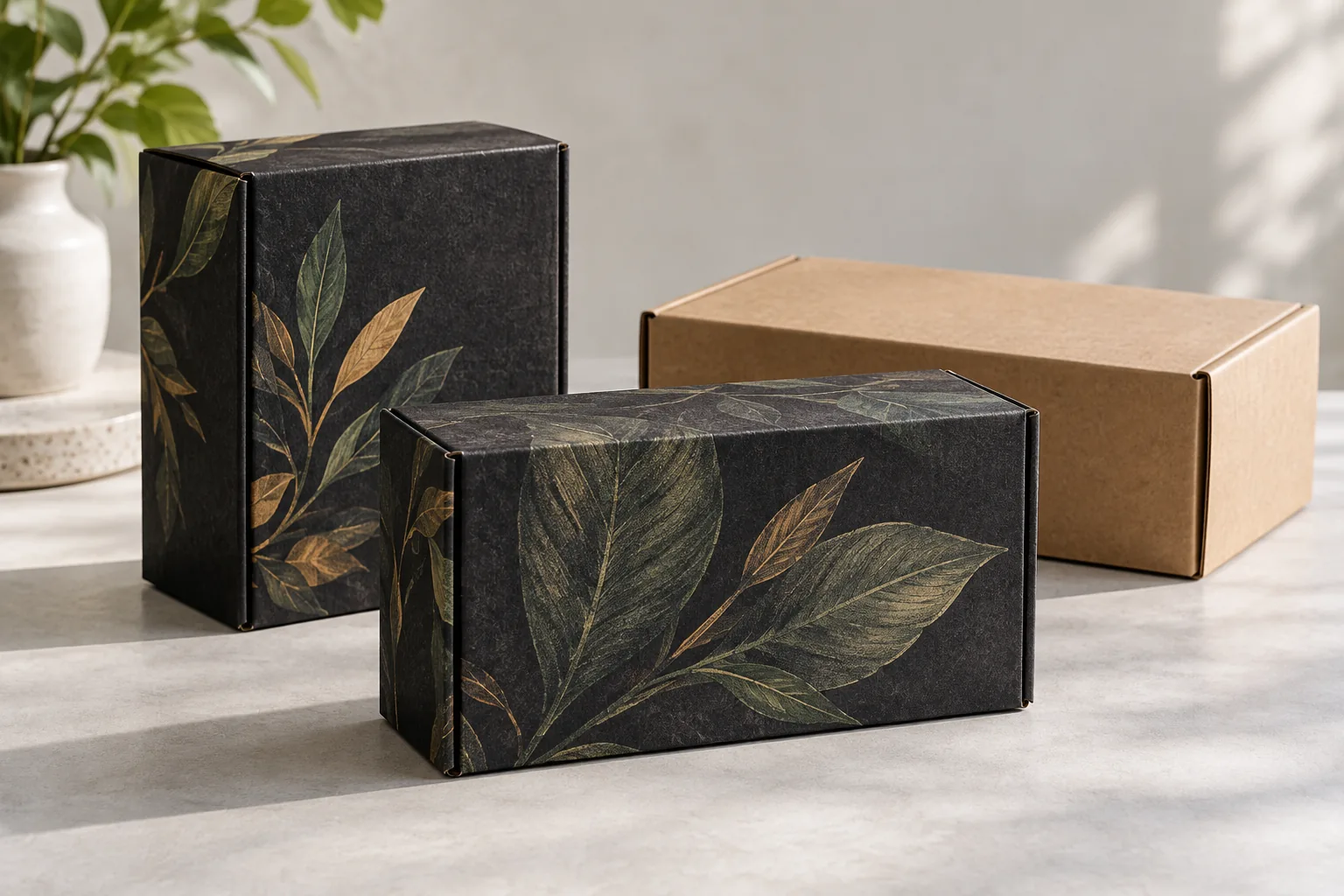
A packaging rub test helps compare how printed graphics withstand repeated contact, but a test name alone is not an acceptance standard. Specify the actual substrate, ink, coating, contact surface and handling risk; then agree the test method, conditions, sample count and visible pass/fail result. Approve production-representative cartons and inspect packed samples too. A clean lab result cannot by itself prove that corners, folds or other contact points will look acceptable after shipping.
Key takeaways
- Define the damage that matters: ink transfer, color loss, fiber scuffing, gloss change or an unreadable code.
- Select a method appropriate to the printed material; ASTM D5264 and TAPPI/ANSI T 830 cover different stated scopes.
- Record the actual board, ink, finish and printed side used for every test.
- Agree contact material, dry or wet condition, number of rubs and visual acceptance reference before testing.
- Inspect folded and packed boxes separately from flat laboratory specimens.
- Recheck after a change to paper, ink, coating, lamination or shipping configuration.
What does a rub test tell a packaging buyer?
Printed boxes contact neighboring boxes, packing equipment, inserts, labels, hands and transit packaging. Repeated contact can mark a dark panel, transfer ink to another surface or reduce the legibility of a code. A rub test creates a controlled comparison between printed samples. It is useful when the buyer and supplier agree what surfaces touch and what appearance change is unacceptable. It is not a universal claim that a box is “scratch-proof” or will arrive unmarked.
ASTM D5264 covers abrasion resistance of printed materials using a Sutherland Rub Tester or equivalent and lists labels, folding cartons, corrugated boxes and other flat printed packaging among its applications. TAPPI's standards listing identifies T 830 om-24 as an ink-rub method for containerboard and corrugated board. These methods frame repeatable trials; neither public listing assigns a pass/fail limit to your specific box.
If a supplier proposes an in-house rub check rather than a named standard, ask for the full procedure and a comparison sample. The buyer needs to know what result is being approved, not merely that a machine was used. The packaging dieline guide helps define the areas that will be printed and handled.
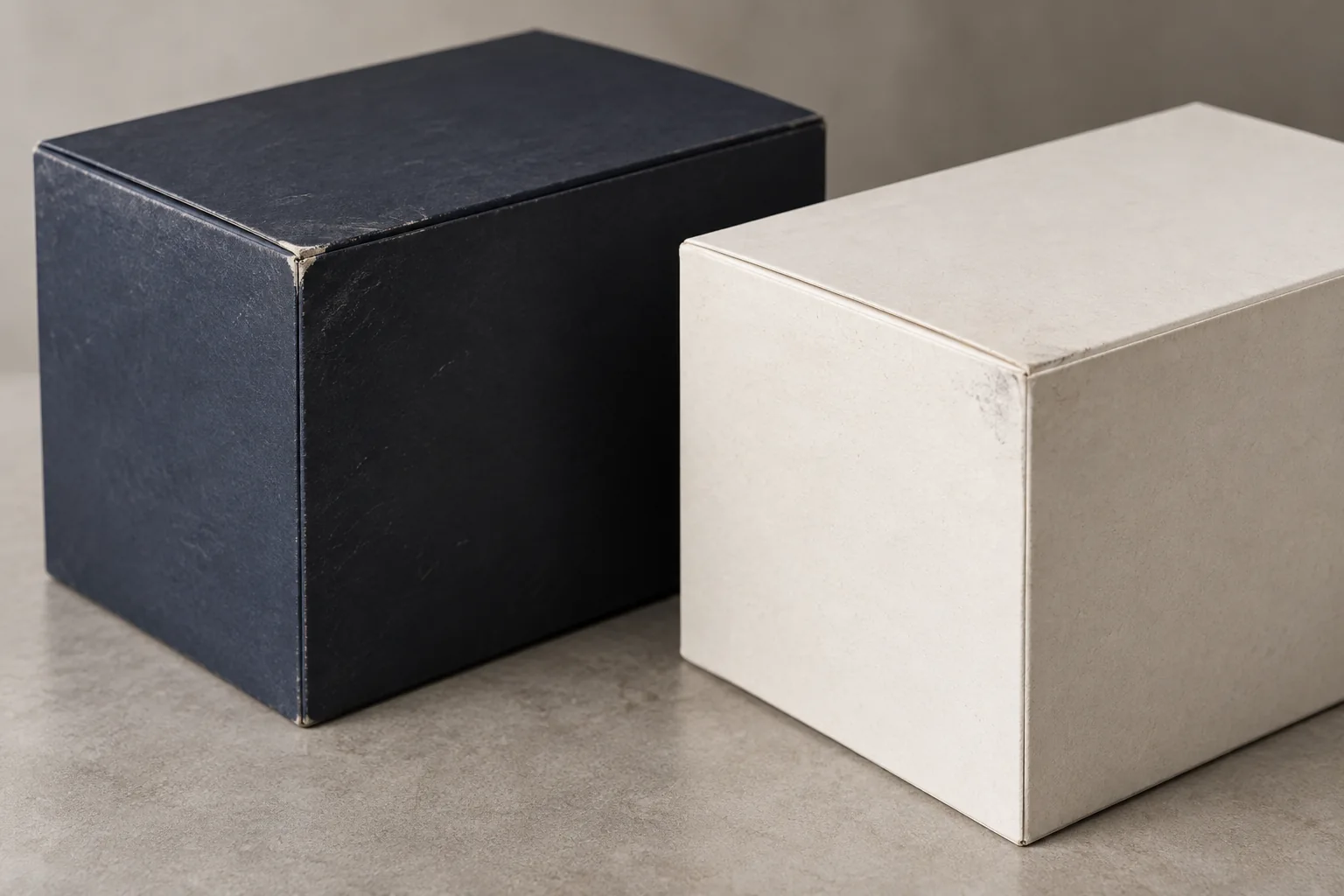
Generated concept image; the marks do not represent a measured rub-test outcome or Packaza defect rate.
Match the test to the finished material and risk
The test specimen should represent the order: same paper or liner, same print process, same ink set, same finish and an agreed drying or curing condition. A plain white drawdown may help development but does not substitute for a printed, finished carton. If the design combines a coated exterior, an uncoated interior and a laminated window area, one result cannot describe all three surfaces.
Specify the contact material. A printed panel rubbing against another printed panel differs from contact with unprinted kraft, a protective insert or a polybag. Note whether the risk occurs while dry, after moisture exposure or during a specific packing operation. “Rub resistance” is not one event. Select the relevant procedure with the supplier or lab rather than combining numbers from unlike conditions.
Agree on how the result will be judged. Options include visible color transfer, loss of print density, change in gloss, exposed fibers, damage around a fold or a code that no longer scans. A pass/fail photo reference with lighting and viewing distance can make visual decisions more consistent. If a code is critical, the Packaza barcode printing guide explains why a separate verification plan is needed; a rub score alone is not scan verification.
Compare coatings only after defining the acceptance target
Varnish, aqueous coating, UV coating and film lamination may change both appearance and handling behavior, but the effect depends on the exact materials and process. Do not infer that any named finish always outperforms another. Request side-by-side samples of the proposed constructions and test them under the same agreed method. Ask how the finish behaves at scores, cut edges and glue areas as well as on a broad flat panel.
The Packaza film-lamination guide discusses finish selection, while the spot-UV guide focuses on artwork and approval. Those choices can improve the visual brief, but they do not replace an order-specific rub criterion. If a finish changes the recycling claim or food-contact use, verify that separately with evidence for the exact construction; do not infer compliance from the rub result.
For a dark solid panel or soft-touch surface, decide whether a faint handling mark is acceptable before selecting the finish. For a transit-only shipper, a small cosmetic change may matter less than legible handling marks or barcode performance. The right threshold is a commercial decision tied to the buyer's product and distribution channel, not a generic number of cycles.
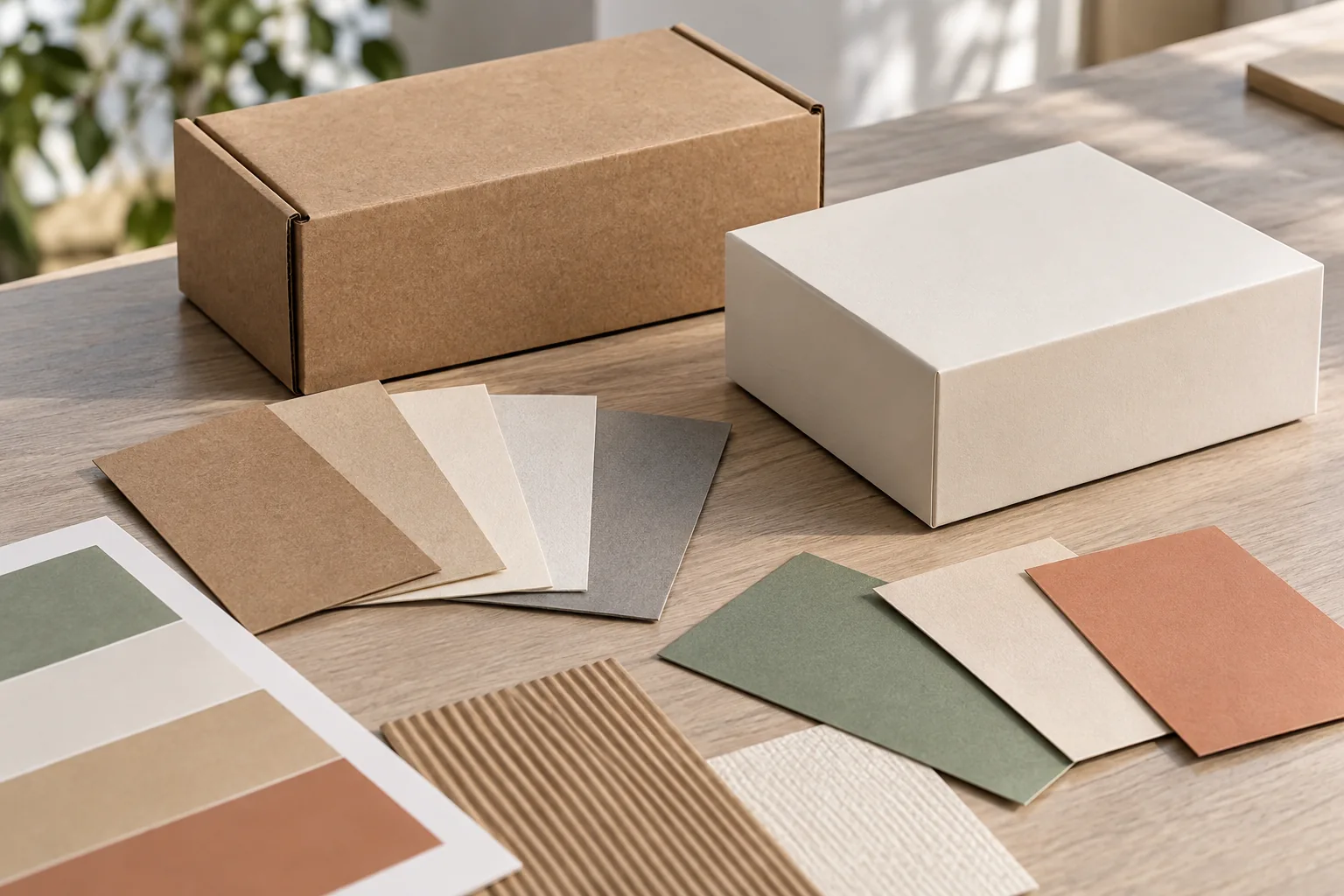
Generated concept comparison; none of the samples is an approved print proof or lab specimen.
Add a packed-box check after the flat specimen
Laboratory rub methods generally use controlled specimen contact. Real boxes also have corners, folds, seams, pressure points and a distribution pattern. Pack the actual product and any inserts, use the intended closure and outer shipping configuration, then inspect the high-contact panels after a representative handling or transport sequence. Document where marks occur. Do not claim a general shipping pass from a bench rub test.
Keep transport protection and print appearance as separate acceptance items. A box may protect the product but arrive visibly scuffed; another may look clean yet perform poorly in compression or drops. If the box is corrugated and stacking matters, the ECT-versus-BCT guide explains the strength questions that must be specified separately.
Photograph the approved sample and any rejected result under consistent lighting. Label the carton batch, test date, material and finish revision. This creates a useful comparison if a later production lot differs from the sample, and makes a supplier discussion more specific than “the boxes look scratched.”
Decide what evidence to request
| Purchase situation | Main failure to prevent | Useful approval evidence |
|---|---|---|
| Dark full-coverage retail carton | Visible scuffs or gloss change | Finished sample, defined rub method and visual limit |
| Kraft corrugated shipper with printed codes | Ink transfer or unreadable code | Relevant rub check plus separate barcode verification |
| Matte or soft-touch gift box | Handling marks on high-touch panels | Side-by-side finish samples and packed-box handling trial |
| Box with coating near scores or glue zones | Finish cracking or bond interference | Erected sample and specific fold/glue inspection |
| Material, ink or coating change | Old approval no longer representative | Change record and risk-based repeat test |
These are starting points, not universal tests for every order. Ask the supplier to identify the relevant method, current revision and laboratory or in-house procedure. A named standard should be cited with its exact version where the purchase contract relies on it.
Send this RFQ and acceptance checklist
- Box style, size, substrate, print method, artwork coverage and exact finish.
- Product, insert, closure, outer packing and expected handling route.
- Critical printed panels, dark solids, labels, barcodes and any high-touch locations.
- Proposed rub-test method and revision, specimen preparation and sample count.
- Contact surface, dry or wet condition, rub count or other settings, and conditioning time.
- Agreed evaluation: transfer, color loss, gloss, fibers, code readability and visual reference.
- Finished-box packing or transport check and the panels to inspect afterward.
- Change-control rule for paper, ink, coating, lamination or supplier process.
Send the brief to Packaza's custom paper-box team to discuss a suitable printed construction and sample plan. Confirm the actual testing provider and acceptance criteria for the order. This guide does not claim Packaza runs a particular rub tester or guarantees a standard result without an agreed test.
Frequently asked questions
What is the difference between a rub test and a scratch test?
A rub test evaluates repeated contact under a defined method. A scratch is a more localized action that may need a different check. Specify the real damage mechanism instead of treating the terms as interchangeable.
Does ASTM D5264 give one pass/fail number for every carton?
No. Its public scope describes a procedure for printed-material abrasion resistance. Buyer and supplier must agree the specimen, test settings and acceptance result for the particular box.
Is TAPPI T 830 only for corrugated board?
Its stated scope concerns containerboard and corrugated board. For other printed packaging, ask the lab which method fits the substrate and the failure you need to assess.
Can a laminated box still scuff?
Yes. A film may change the wear pattern, but it does not prove that all surfaces or edges will remain unmarked. Test the exact laminate and finish on a representative sample.
Should a barcode be checked after rubbing?
If the code is exposed to the relevant contact, yes. Agree a separate scan or verification criterion after the rub or packed-box check; visual appearance is not enough.
Is a flat printed sheet enough for approval?
It can compare materials in a controlled test. Also inspect an erected, packed box for folds, corners and actual contact points before final approval.
How many rub cycles should we require?
There is no responsible universal count. Choose the method settings and limit based on the box's handling risk, compare them with an approved reference and record the exact procedure.
When should rub testing be repeated?
Review it after changes to substrate, ink, coating, lamination, curing, print process or the shipping configuration. Repeat the checks affected by the change.